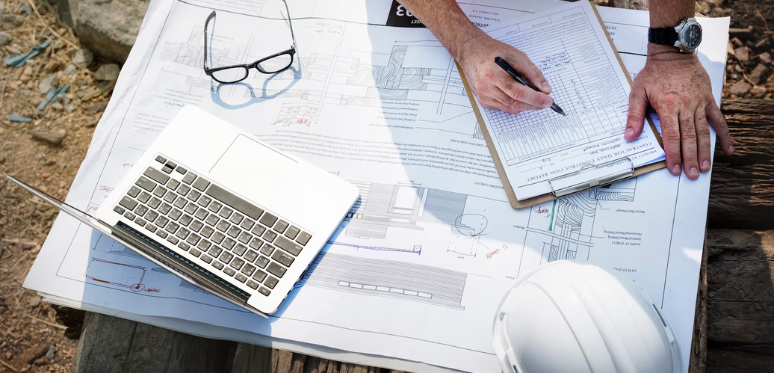
Site Risk Management
The first step is proper planning. Projects should follow well-structured schedules with quality materials, organized workflows, and reliable resources. Inefficient practices and substandard materials should be avoided. Consistent monitoring of daily tasks helps keep the project on track. Regular site inspections and preventive measures are very important. Routine checks and minor adjustments help maintain project quality, prevent delays, and improve overall performance.
Tools, machinery, and materials must be used exactly as specified in project plans. Deviating from guidelines can cause serious issues. Teams should never alter procedures without consulting project managers. Ongoing monitoring of site activities helps teams understand how resources, workflows, and techniques affect project outcomes. Regular checks allow early intervention if problems arise.
Finally, regular project reviews and progress meetings are necessary. Managers check structural integrity, safety compliance, workflow efficiency, and resource usage. Proper project management reduces the risk of delays, safety incidents, and cost overruns, ensuring timely and high-quality project completion.